Hiking Gear
Whether you are a weekend warrior or avid adventurer, getting the right hiking gear and accessories can make a huge difference in comfort, enjoyment and safety.
In this section, we offer independent suggestions based on our actual experience from hiking in various challenging terrain in various climates and situations.
We include links to more detailed information on each product suggested. The opinions expressed here are our own based on personal use and experience and not necessarily endorsing any brand or equipment.
ENJOY!





Hiking Boots
Avid hikers realise that your hiking boots are the crucial contact between you and the ground that you trek on. A great pair of boots is therefore very important for your hiking comfort and fun.
Having hiked tens of thousands of kilometres, I have seen my fair share of hikers suffering rolled ankles, stubbed toes, rough tumbles that resulted in bad injuries; and have had a few boot related incidents myself.
For a long time I knew I should wear ankle boots as I hike in all kinds of terrain - rocky surfaces, boulder scrambles, slippery wet clay, snow, ice, mud, sand, creek crossings, you name it.
But I found ankle boots heavy, hot and uncomfortable - until I found the Zamberlan New Trail Lite EVO Goretex. These Italian made ankle high leather boots are light weight, super comfortable, needs no wearing in, water proof; and they take all kinds of abuse from rough terrain. The vibram sole makes it sturdy and durable.
My very positive testimony for the Zamberlan New Trail Lite EVO Goretex stem from their comfort and reliability through my hikes on the Camino de Santiago, Dolomites, Swiss Alps, Yosemite National Park through all kinds of terrain and weather conditions. Never once did I get sand or little stones in my boot and they kept my feet dry splashing through ankle deep water. They also protected me from serious ankle rolls.
Key elements to look for in a good pair of hiking boots: waterproof, vibram sole for traction, good fit & comfortable for your feet, light weight, and if you can get used to them - ankle high boots for better support on uneven terrain.


Gaitors
I find that a great pair of gaitors as being indispensable for all terrain hiking comfort and safety. Gaitors come in a huge variety of types, weight, features etc.
After evaluating my needs and relative costs, I settled for the Sea to Summit Grasshopper Gaitors. It is robust, uncomplicated and value for money. Made of 450D Polyester with C0 DWR which is PFC-free, its is very light weight and I do not feel its weight or presence, until such times when I really appreciate that I have them on - walking on sand or pebbly trails - they prevent ingestion of such debris into the boots. When crossing creeks, they cover the tops of my Zamberlans hence enhancing the protection of water entering the boots from the top. And most of all, during those occasions when a brown snake and I crossed paths, I was very thankful that I did not neglect to put on my gaitors, even if they may not guarantee being 100% snake bite proof - which very few gaitors do.
The velcro front strapping makes it very easy to put on and remove. The 316 stainless-steel, powder coated lace hook keeps the gaitors from riding up your boots.
The only annoyance is that the underfoot cord strap is very fiddly to fasten and undo. In the end, I cut them away and wear the gaitors without the underfoot strap as I found them unnecessary when you are wearing ankle high boots. They anyway fray and break from ground friction after some use.

Bungee Laces
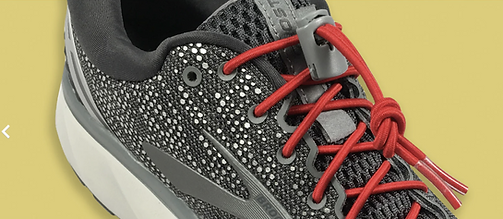
Like me, you probably have your boot laces come undone too often when on a hike even if you double-knotted them. Its annoying whenever it happens but in the worse case, you could have a bad trip stepping on your own laces.
I also don't like that most laces that come with your boot are way too long, making them look like a mess of tangled spaghetti. Its also hard to find replacement laces that are just the right length, especially for ankle boots.
For the last 3 years, I have switched to iBungee Laces. They are very easy to install, even easier to fasten and unfasten, and come in 3 lengths that will fit boots from low top to high cut. The come in 3 attractive colours and never come undone!
No going back to traditional tie laces!

Mini Crampons
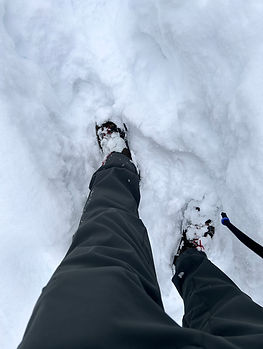
If you are hiking at high elevations, the weather can be very unpredictable even in Spring or early Summer. There could be snow and ice that has not yet melted or unseasonal snow fall or ice from over night freeze.
Mini crampons or micro spikes come in very handy in case of such contingencies. They are light weight, fit easily in your back pack, provides improved traction and easy to slip on and off.
Depending on the severity of the conditions you are anticipating, crampons and mini crampons are available in varying degrees of traction.
Examples of range: https://www.rei.com/c/winter-traction-devices

Hiking Poles
A common misconception is that hiking poles are only for old people or people with knee injuries. If you have hiked in Europe, you would have seen most hikers hike with a pair of trekking poles.
Poles are great of rhythm, and especially good for slopes, particularly uneven and steep downhills.
There are hiking poles and then there are hiking poles. If you are a regular hiking often going on rugged unpaved trails, definitely invest in a pair of good quality poles. Carbon fibre poles have the best strength to weight ratio. I have broken at least 3 poles and they were all the screw lock type, always with that lock failing. We recommend investing in poles that have the twist (90-degree turn) lock fasteners, like the Black Diamond Trail Trekking Poles. They are much more sturdy and durable and much less likely to break or collapse.
If the pole has built in shock absorbers, that's an added bonus, but usually that comes at an additional price premium. When the tips get worn out, before you buy another pair of poles, check if your retailer could just replace the tips. Paddy Palin can do that for $10 or so each.
The correct length to set the poles is that when you are holding them, your forearm is horizontal. Lengthen the poles when going downhill and shorten them when going uphill.

Day-Hikes Back Packs
I confess that I have way too many backpack. Many of them were bought out of inexperience - just going out and randomly buying another one that is bigger, smaller, or lighter.
Now I am down to three which I use on different occasions:
1. For a short urban type hike, I carry a small compact Denali bladder pack that carries just a 2-litre bladder plus a small zipper pocket that fits maybe your car keys, and a tiny basic first aid kit.
2. For most of my day hike varying from 10 to 18 kilometres, I carry a 25L Osprey which has plenty of room for a 2L bladder, pockets for additional water bottles; a light rain jacket, a comprehensive first aid kit, a power bank to recharge my mobile phone, another layer if necessary and some snacks.
3. For the bigger hikes lasting a full day or with a lot of elevation gain, I carry a 30L Montbell, additional water bottles, more food, a headlamp in case the hike gets delayed and it gets dark and maybe a couple of survival items. It also comes with a convenient slip-on waterproof cover which can also be used on the Osprey pack. This pack also doubles as a carry on for air travel.
Comfort is of prime importance - padded shoulder & waist straps to reduce strain, and one that fits well with your body.


Inner Layers
When hiking in cold or variable weather conditions, it's always hard to pick the layers you wear or pack.
Thankfully, there is merino inner layers which is a versatile inner wear that keeps you warm in cold conditions but wicks perspiration to keep you cool in warmer condition. They are very light weight and very comfortable to wear. Wearing a merino inner layer helps me reduce the number of layers I need to wear or pack - you don't need to put on multiple layers at the start when your body is cold and have to start peeling layers after 10 minutes of hiking. I can usually be very comfortable with between 2 and 3 layers for temperatures between 5 and 15 centigrade. They also air dry very quickly after a wash.
Mountain Designs long sleeves top come in a full 100% merino version and a lower cost blend of 50% merino and 50% polyester.

Outer Layers
A versatile second layer makes a huge difference in your hiking comfort. You want one that you can wear in a wide range of temperatures, has a high collar for wind protection, and zipper pockets!
The Kathmandu Trail Head Fleece Jacket is certainly my go-to favourite. In fact I have 4 in different colours to change around when I go for multi-day hikes. They are also great for travel - wearing on a flight - the zipper pockets are great for your passport, phone, earphones. The zipper pocket on the left chest is also great for glasses sun glasses.
I prefer the full length version over the neck zipper as you can fully unzip in warmer weather or when you have just made an epic climb and need some ventilation without needing to remove your backpack in order to remove a layer.

Waterproof Jacket
A good water-proof rain jacket is an essential layer when hiking in the wilderness. Other than cost considerations, when picking a good hiking water proof other shell, look for the following:
1. Hiking-Grade Waterproofing, with taped seams and pocket zips. This may compromise on breathability, but the whole point of waterproof layer is to stay dry. I would rather prioritise on the jacket's ability to keep me dry. Depending on anticipated temperatures, I could still optimise comfort by wearing a base layer than wicks and evaporates effectively, and reducing the number of layers. In light rain, you could still leave the jacket not fully zipped.
2. Light weight and folds tight so it does not occupy too much room in your pack or add too much weight.
3. Waterproof pockets with taped zippers.
4. Pick one that is slightly over-sized to accommodate inner layers. Try it on for comfort, fit and noise.
5. Adjustable toggles or elastic bands on hood, waist and wrists to prevent water ingestion from these openings.
6. There are very many good hiking outer shells offer by known brands with their own claimed water proofing technologies, such as Patagonia, Baerskin, Moountain Designs; Buckbush etc. Personally, I am happy with my Montane Phase Nano Waterproof Jacket which I find also comfortable to use for golf.

Hiking Pants
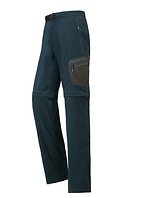
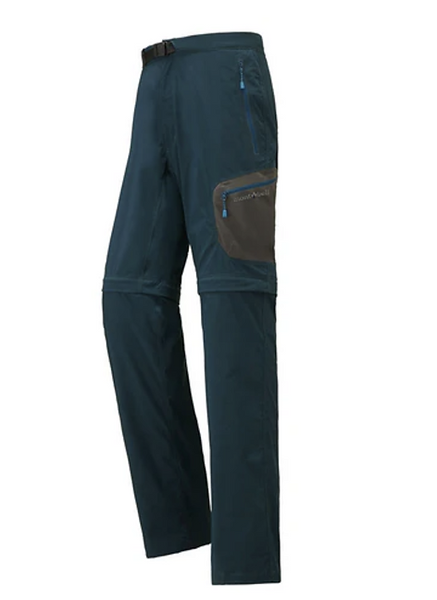
When it comes to hiking pants, you would want a pair that provides comfort, durability, quick dry, and ZIPPER POCKETS! I am not able to understand why most hiking pants do not come with zipper pockets. You may have several gadgets that you want to be readily accessible, hence not tucked deep in your backpack, yet securely stowed in your pants in case of any rough and tumble to avoid loss or damage if they fall out.
I have four pairs of Montbell hiking pants because they have all of the mentioned features and they are very good fit. One pair is a convertible that can be zipped out to shorts, two pairs that are long pants, and the last pair is lined for warmth when hiking in cold elevated country. All of them have FOUR zipper pockets!
Their prices are reasonable too for what you get.
First Aid Kit
Hiking in nature carries risks ranging from minor cuts to deadlly snake bites. A well thought-through first kit carried in your back pack could make a huge difference between suffering and relief or in the worse case between life or death.
Tailor your first aid kit according to the nature of the terrain and how accessible you would be to emergency assistance.
Items to consider for your first aid kit:
1. For minor cuts, abrasions, and non toxic bites - antiseptic wipes/cream/lotion like Betadine; various sizes of band aids, sterile gauze, bandage tape.
2. Sprains & bruises - instant cold / warm packs; compression bandage.
3. Arm fracture / shoulder dislocation - triangular bandage.
4. Poisonous snake bites - set of 3 compression bandages - learn how to apply the bandages and how to assist the bitten person BEFORE a hike. Splints can be improvised using stiff branches. Safety pins or bandage tape. Sharpie or permanent marker.
5. Emergency medications - paracetamol for pain relief and fever; carbon or charcoal tablets or Immodium for diarrhea; other meds as prescribed for known health conditions.
6. Basic Survival Items: in the event of being stranded overnight in wilderness in cold and bad weather - head lamp; whistle; foil blanket, poncho, spare dry clothing items - merino inners; gloves, socks to guard against hypothermia. A lighter and knowledge to build a small fire to keep warm (be cautious of risks of accidentally starting a bush fire), and a PLB (Personal Locator Beacon).
7. Adequate water and food according to duration and difficulty of the hike and the weather - quite often inexperienced hikers under-estimate the strenuous nature of hikes (or potential delays or getting lost), and end up suffering from dehydration or weakness from not carrying adequate water or suitable snacks or food.

Head Lamp
Having a good head lamp in your back pack is not only for multi-day overnight hikes, but very useful in case you get delayed by weather, got lost, of get caught up in an emergency and waiting for help.
There are very many lamps and head lamps in the market. The best performing and best value head lamps I found are the Life+Gear and Trail Head 650 Lumens Storm Head Lamp.
They are both essentially identical head lamps, just different brands. They are very comfortable to wear, come with 6 different lighting modes from a low red light to a very bright spot+cob of 650 lumens with an illumination distance of 150 metres. There is a motion sensor mode for when you are sleeping, an adjustable tilt, and is water and impact resistant.
The red cob low light mode was perfect for night time observation of wild life that minimises interference with their routines.
The lamp comes with a USB rechargeable lithium battery. You could also use 3 x AAA batteries. I strongly recommend using the included rechargeable battery so that you know you have a full charge before you head out. With the disposable batteries, you do not know how much charge is left.


Emergency Beacon
When hiking in remote country it is always prudent to carry a working satellite based GPS emergency Beacon which allows you to signal for rescue when there is no phone reception or if your battery is dead.
Each year, hikers have been reported to have been lost in the wilderness for days or weeks because they went off trail, had a bad fall, got bitten by a snake etc, and they got stranded because they did not carry an emergency beacon.
The GME GPS MT610G Beacon is super compact, light weight, waterproof and has a 7-year battery life. It meets international standards and is Copas-Sarsat Class 2 certified
This is something you want to have in your pack but hope you never have to use it.

Drones
Where you are allowed and safe to fly and if you have learned to safely fly a drone, the aerial photos and videos that you can take with a drone enhances the multi-dimensional memories that you take away from your hike.
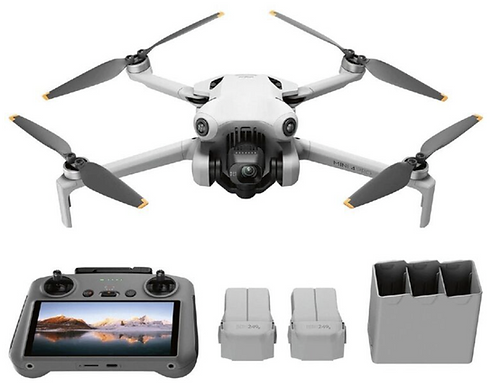
At time of this posting, the drone that best meets the needs of most hikers and that best meets many jurisdictions' laws on use of drone is the Dji Mini 4 Pro.
At 249 grams is is just under most countries' max weight limit where the restrictions are least stringent. For information on drone laws in Australia, New Zealand, USA and Europe, see the Drones sub section under the "Travel Tips" tab of this website.
The key features of the Dji Mini 4 Pro useful for the hiker are:
1. RC2 Remote Control with screen & bluetooth
2. Auto return to home
3. Intuitive and programmable Joy stick controls
4. Light weight, under 250 grams
5. Follow me function with directional settings
6. Pre-programmed Master Shot and Quick Shots
7. Obstacle avoidance
When you are on a hike, you want quick and easy access to whip out your drone and controller and not to have to unzip you back pack to find it. I have been searching for some time for a multi-pocket vest that has large enough pockets that could fit the DJI Mini4 Pro, RC2 Controller and spare batteries. This featured brandless light weight photography / Fishing / Outdoor utility vest does the job perfectly. Its available only online it seems for less than AUD30 on typical sites like amazon or temu.